HOW A HOME PERFORMANCE EVALUATION CAN HELP YOU SAVE
Posted: 2/1/2026
How a Home Performance Evaluation Can Help You Save
When temperatures drop in Wisconsin, energy use tends to climb. If winter has you noticing higher electric bills or drafty rooms, it might be time to take a closer look at how your home is performing.
At Eau Claire Energy Cooperative, we offer incentives for Home Performance Evaluations — a smart first step toward improving comfort, safety, and efficiency in your home.
What Is a Home Performance Evaluation?
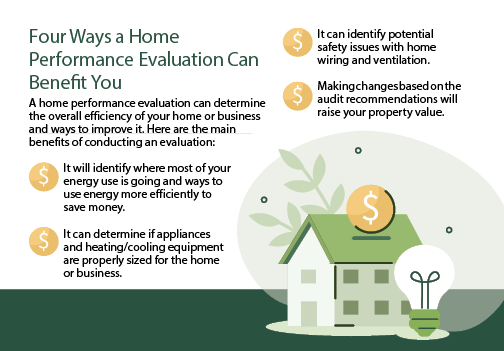
A Home Performance Evaluation (sometimes called a home energy audit) provides a comprehensive look at how your home uses energy. It helps identify:
- Air leaks and drafts
- Insulation gaps
- Heating and cooling inefficiencies
- Opportunities to reduce overall energy use
- Potential safety concerns with HVAC or electrical systems
Understanding where your home is losing energy gives you the power to make informed decisions; whether that’s sealing air leaks, upgrading insulation, or replacing outdated equipment.
How It Works
To get a Home Performance Evaluation members:
- Select and schedule an energy audit with a qualified contractor of their choice.
- Complete the Home Performance Evaluation incentive paperwork.
- Receive an incentive from ECEC after qualifying documentation is submitted.
In many cases, additional incentives may also be available for upgrades recommended in your evaluation, such as insulation improvements, air sealing, or HVAC upgrades.
This approach allows you flexibility in choosing your contractor while still benefiting from cooperative incentives.
👉 Learn more about the program details and incentive amounts here: www.ecec.com
What to Expect During an Evaluation While each contractor may vary slightly, most home performance evaluations include three main components:
- Walk-Through Assessment - The contractor will examine areas that commonly impact efficiency like windows, doors, insulation levels, ductwork, and major appliances. They may also ask about your comfort concerns and review your energy use history.
- Diagnostic Testing - Many evaluations include advanced testing tools such as:
- Blower door testing to locate air leaks
- Thermal imaging to detect hidden heat loss
- Airflow and HVAC performance checks These tools help pinpoint exactly where improvements will have the biggest impact.
- Detailed Report & Recommendations - You’ll receive a written report outlining findings and recommended next steps. This roadmap helps prioritize upgrades based on comfort, cost-effectiveness, and energy savings potential.
The Power to Improve Is in Your Hands One of the biggest benefits of a Home Performance Evaluation is clarity. Instead of guessing where to start, you’ll have data-backed recommendations tailored to your home.
Making strategic improvements can:
- Increase comfort year-round
- Lower energy use
- Improve indoor air quality
- Boost home value
- Reduce long-term operating costs
And with ECEC incentives available for both the evaluation and many of the recommended upgrades, it’s a practical way to invest in your home.
If you’ve been wondering why certain rooms feel colder than others or why your heating system seems to run nonstop, a Home Performance Evaluation may be the next right step.